

 Grape variety
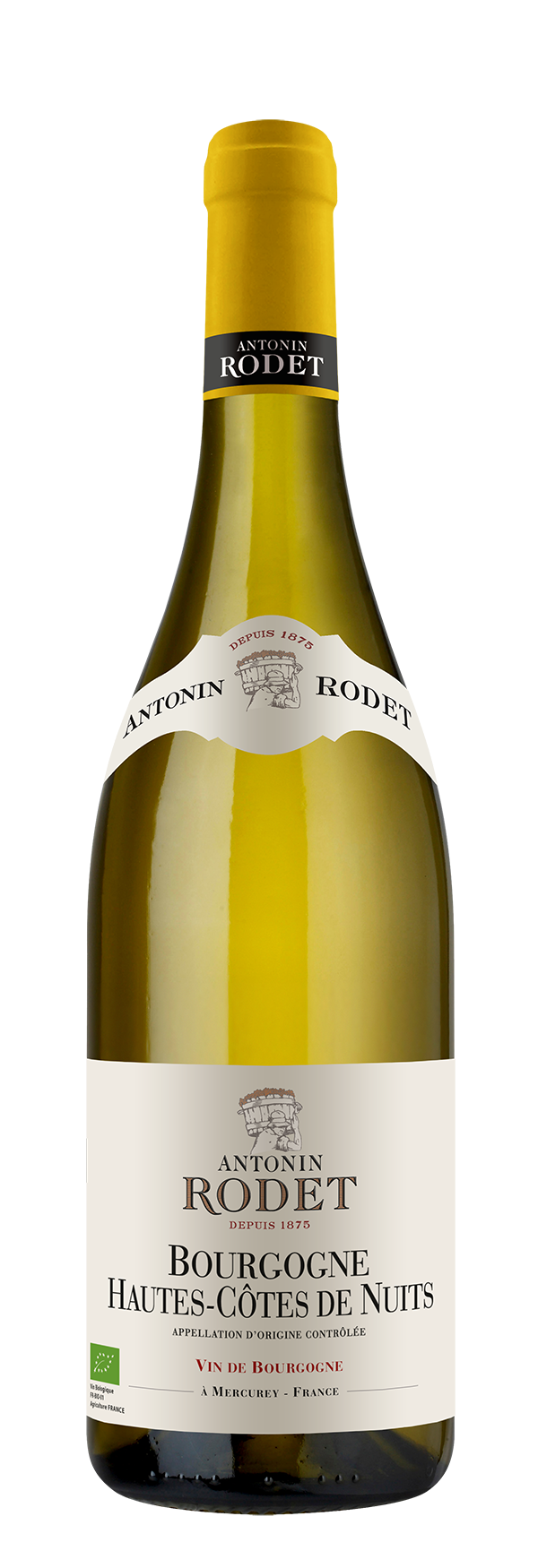
Chardonnay.
Tasting notesColour: A beautiful, strong golden colour.
Nose: Highly expressive, revealing aromas of yellow and white fruits, complemented by notes of jasmine and toasted bread.
Palate: A precise and finely chiselled palate, supported by well-integrated acidity. Mineral notes take centre stage, complemented by richness on the mid-palate. A well-balanced wine with character and a persistent finish.
Wine and food pairingThis nice white Burgundy wine will be perfect with white meats in a sauce, dishes with a touch of Far Eastern exoticism, meaty fish (such as tuna or salmon tartare), soft and/or goat cheeses, or simply as an aperitif.
Serving temperatureIdeal served at 12°C (54 °F).
Ageing potentialThis wine can be drunk now or laid down for around 4 to 6 years.
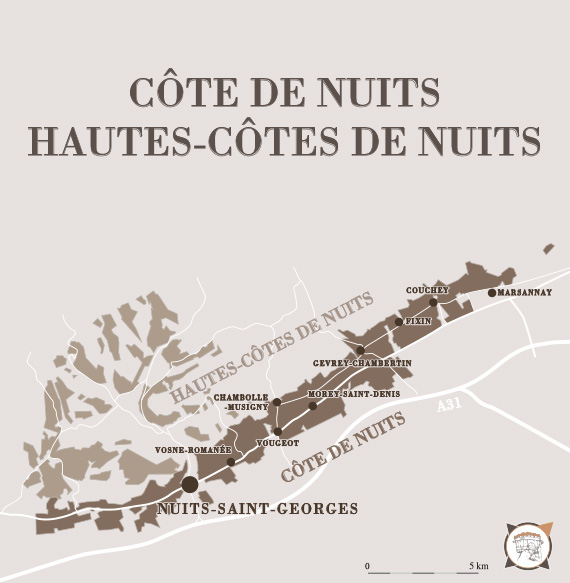
OriginThe Hautes-Côtes de Nuits vineyards are spread across the Côte de Nuits in Burgundy, from Dijon to Corgoloin. It covers the well-exposed slopes of the hills overlooking the Côte at an average height of around 100 to 150 metres above sea level. The climate is ideal for growing vines, and the exposure of the vineyards compensates for the effects of altitude.
The appellation covers an area of 735 hectares, with 599 hectares of red and rosé wines and 136 hectares of white wines.
- Jurassic clay-limestone soils.
- South-east and south-facing.
- Gentle to steep slopes.
- Altitude between 280 m and 330 m.
The grapes used for this cuvée are organically grown.
Vinification and maturingOnce the grapes had been sorted and destemmed, the must was extracted by pneumatic pressing, then cooled and left to settle for 24-48 hours. The juice was then brought down to 18°C to start the alcoholic fermentation (which lasted 3 weeks) in temperature-controlled stainless steel vats. Part (40%) of the cuvée was then placed in barrels (15% new) for 8 months' ageing before final blending. Light filtration before bottling.