

 Varietal
Pinot Noir.
Tasting notesColour: Deep, lovely ruby hue.
Nose: Expressive aromas of small red fruits (raspberries, strawberries, cherries), with a touch of floral notes (peony) and a delicate hint of oak.
Palate: A full bodied wine, yet with a refined and elegant structure. Tender and fruity, with subtle oak notes and silky tannins, it is well balanced and full of character.
Food and wine pairingIts impressive power calls for dishes with strong character. Its generous, opulent nature and distinguished tannins pair beautifully with red meats, whether grilled or in sauce, as well as roasted or even lacquered poultry. And of course, it is a perfect match for soft washed rind cheeses such as Époisses, Ami du Chambertin, or Livarot.
Serving suggestionsServe at a temperature of 15–16°C.
Ageing potentialThis wine has a long ageing potential of around ten years.
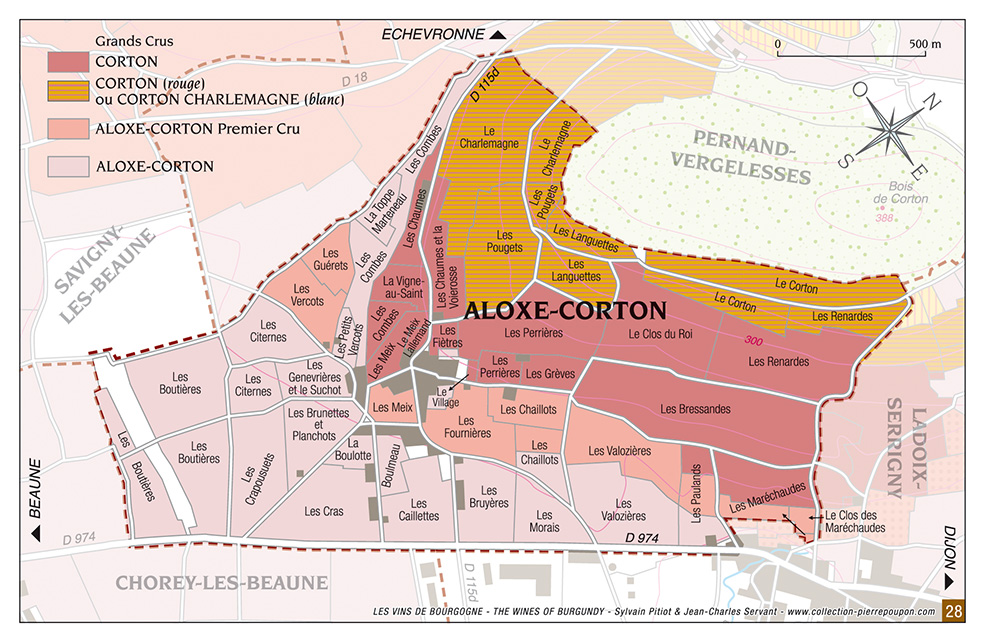
OriginsAloxe Corton is one of the northern vineyards of the Côte de Beaune.
The vineyard covers 120 hectares, including 36 hectares spread across the appellation’s 14 Premiers Crus.
It also includes two prestigious Grands Crus: Corton (red and white) and Corton‑Charlemagne (white only).
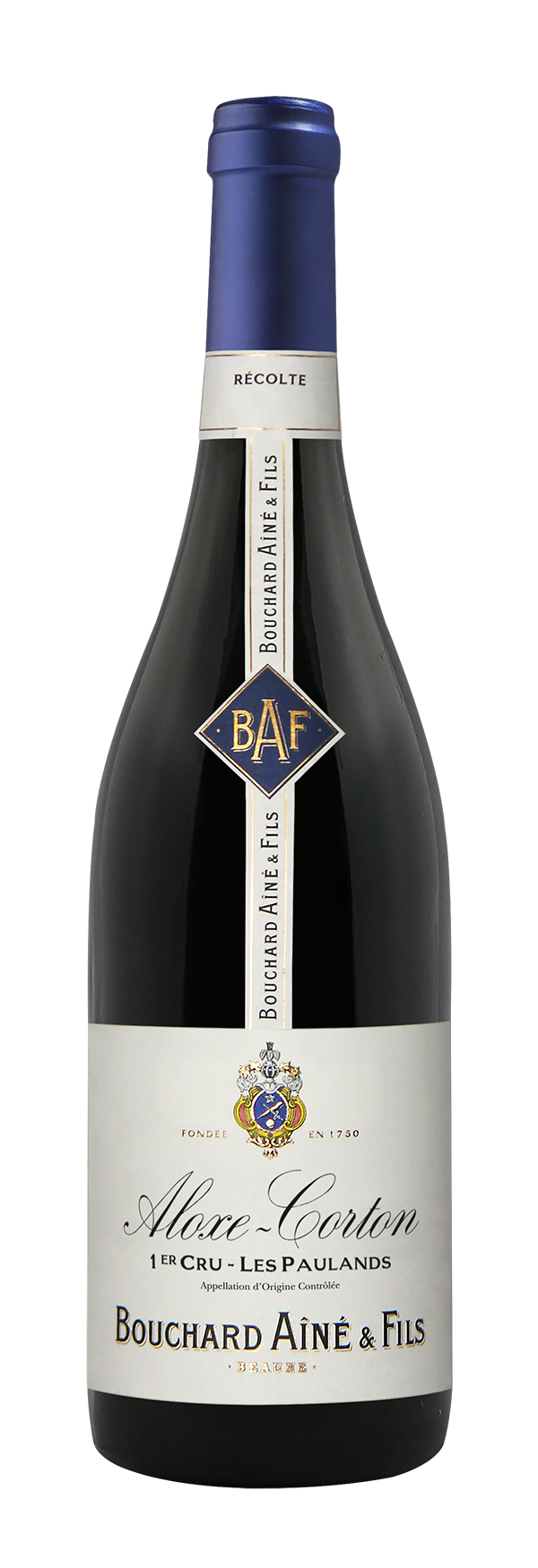
The “Les Paulands” climat, located just below the Corton Grand Cru “Les Bressandes,” is divided into three tiers from top to bottom: Grand Cru, Premier Cru, and Village. Its name comes from the Old French Pol, meaning “pond/silt,” likely referring to the presence of ancient marshes — just like its neighboring climat “Les Valozières,” whose name means “valley of willows.”
Vinification and maturingHere, the Montagne de Corton reveals an exemplary geological cross‑section. Between 200 and 300 meters in altitude, the soils are reddish‑brown with many siliceous nodules and fragments of flint‑bearing limestone (“chaillots”), or looser soils rich in potash and phosphoric acid. The vines face from sunrise to sunset. The northern part produces the softest, fruitiest wines, while the southern part yields firmer, more structured ones. Stony soils give supple, refined wines, whereas more clay‑ and marl‑rich soils produce wines that are firmer and more complex.